


Flux Adapt Runner vs HOKA Clifton 10: 42mm of Foam, or Feet That Get Stronger. Pick One.
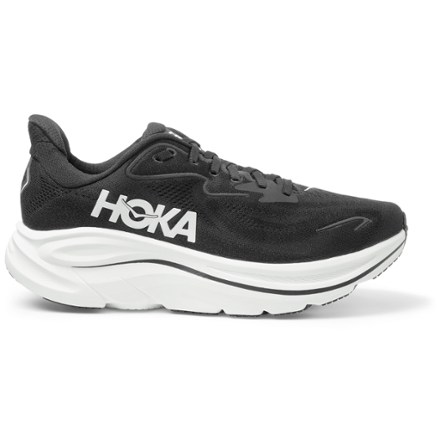
The Clifton 10 is a superb maximalist trainer — and it's the exact opposite of what the Adapt Runner does. 44mm of stack, an 8mm heel lift, and a rockered sole versus a flat, low, flexible platform with an AdaptSol™ insole carrying 100+ nodes. These aren't competing shoes. They're competing philosophies.

Quick Summary
- You want your feet and calves to get stronger, not do less work
- You want zero heel lift and a natural stride
- You want real ground feedback on every step
- You want a wide toe box for genuine toe splay
- You want maximum impact protection on long road miles
- You're a heel striker and want the 8mm drop
- You have a condition where cushioning is medically advised
- You want a rockered ride that rolls you forward
Head-to-Head Comparison
An honest, side-by-side breakdown of every feature that matters.
| Feature | Flux Adapt RunnerOUR PICK | HOKA Clifton 10 |
|---|---|---|
| Price | $145 | $155 |
| Heel-to-Toe Drop | 0mm | 8mm |
| Stack Height | Low-profile | ~44mm (maximalist) |
| Toe Box | Wide (anatomical) | Spacious (roomier than Clifton 9) |
| Ground Feel | High | Minimal |
| Insole | AdaptSol™ 100+ nodes | Standard removable |
| Foot Strengthening | Yes — by design | No — by design |
| Impact Protection | Moderate | Very high |
| Warranty | 1-Year Adapt Guarantee | Standard return window |
| Overall Winner | ★ Best Zero-Drop Road Runner | Best for: see above |
Specifications compiled from manufacturer sites and independent lab testing (RunRepeat, Solereview) as of October 2026. Verify current pricing on each brand's own site.
What Makes Flux Different
Where the Adapt Runner takes a different position to HOKA — and why.
Zero Drop vs an 8mm Heel Lift
This is the whole argument in one number. The Clifton 10 raises your heel 8mm above your forefoot — the highest drop in Clifton history, deliberately tuned for heel strikers.
An 8mm lift shortens your calves and Achilles over time and encourages a heel-first landing. The Adapt Runner is dead flat, which keeps your foot in the position it evolved to land in and encourages a midfoot strike.
44mm of Foam Between You and the Road
Independent lab measurement clocked the Clifton 10's stack at 44.4mm. It's genuinely protective — and it's genuinely isolating.
The proprioceptive feedback your feet use to adjust stride, balance, and load is largely gone at that height. The Adapt Runner keeps you low so your nervous system stays in the loop.
The AdaptSol™ Feedback Loop
A standard footbed cushions. It doesn't ask anything of your foot.
The AdaptSol™ insole's 100+ nodes stimulate nerve endings and engage the small stabilising muscles in your arch and forefoot on every stride. Over months, that's the difference between feet that are protected and feet that are strong.
Honest About When Hoka Wins
We're not going to pretend the Clifton is a bad shoe — it's one of the most popular trainers on earth for good reason.
If you're managing a specific injury, running very high mileage on concrete, or your physio has told you to cushion, buy the Hoka. Zero drop is a training decision, not a magic fix, and it isn't right for everyone.
Independently Reviewed
What testers outside Flux found after putting the Adapt Runner on the road.
“the Flux Adapt Runner oozes comfort not always given to zero drop styles”
Testing the shoe across road and treadmill sessions — easy runs, long runs and tempo work — the reviewer expected to prefer it over shorter distances, but ended up reaching for it on runs beyond eight miles too, and rates it a solid daily trainer for anyone already adapted to zero drop.
Transparent Pricing
No hidden costs. Here's exactly what you get for your money.
Flux Adapt Runner
0mm Drop · Wide Toe Box · Built for Road Miles
- True zero-drop platform
- Wide anatomical toe box
- AdaptSol™ insole — 100+ massage nodes
- Breathable flexible knit upper
- Flexible sole tuned for footstrike
- 30-day returns
- 1-Year Adapt Guarantee
HOKA Clifton 10
8mm Drop · Spacious (cushioned) · 42mm
- 8mm heel-to-toe drop
- Spacious (cushioned) fit
- Standard insole
- HOKA construction and materials
- Wide retail availability
- Standard return window
- Manufacturer warranty
Common Questions
Everything HOKA Clifton 10 owners ask before switching to Flux.
I've run in Hokas for years. Can I just switch?
No — and please don't. Going from an 8mm drop and 44mm of stack to zero drop overnight is how people injure their calves and Achilles. Transition over four to eight weeks: daily wear first, then short runs, then build.
Won't my joints suffer without the cushioning?
Different mechanism. Cushioning absorbs impact; zero drop changes how you generate it, encouraging a midfoot strike that loads the calf and Achilles instead of driving force up through the heel. Both are valid — they just work differently.
Is the Adapt Runner's toe box wider than the Clifton's?
Yes. Hoka widened the Clifton 10's toe box over the 9 and reviewers noticed — but it's still a conventional last. Flux uses an anatomical shape built specifically for toe splay.
Can I run a marathon in zero drop?
People do. But if you're currently in maximalist shoes, that's a season-long build, not a swap before race day. Start with short runs and let your feet adapt.
What about heel pain or plantar fasciitis?
Talk to a professional before switching. Some people find zero drop helps long-term; others need cushioning and support in the short term. This isn't a decision to make from a comparison page.
What's the return policy?
Flux accepts returns and exchanges on unworn footwear within 30 days, plus a 1-Year Adapt Guarantee on manufacturing defects.
Stop Protecting Your Feet. Start Building Them.
Hoka's answer is 44mm of foam and an 8mm heel lift. Flux's answer is a flat platform, a wide toe box, and 100+ nodes that make every mile do double duty.
Shop Flux Adapt Runner — $145 →© 2026 · This comparison page is independent and is not affiliated with, sponsored by, or endorsed by HOKA. HOKA, Clifton, and Meta-Rocker are trademarks of Deckers Outdoor Corporation. Competitor specifications are cited from manufacturer listings and independent lab testing and were accurate at time of publication; check each brand's site for current specs and pricing.